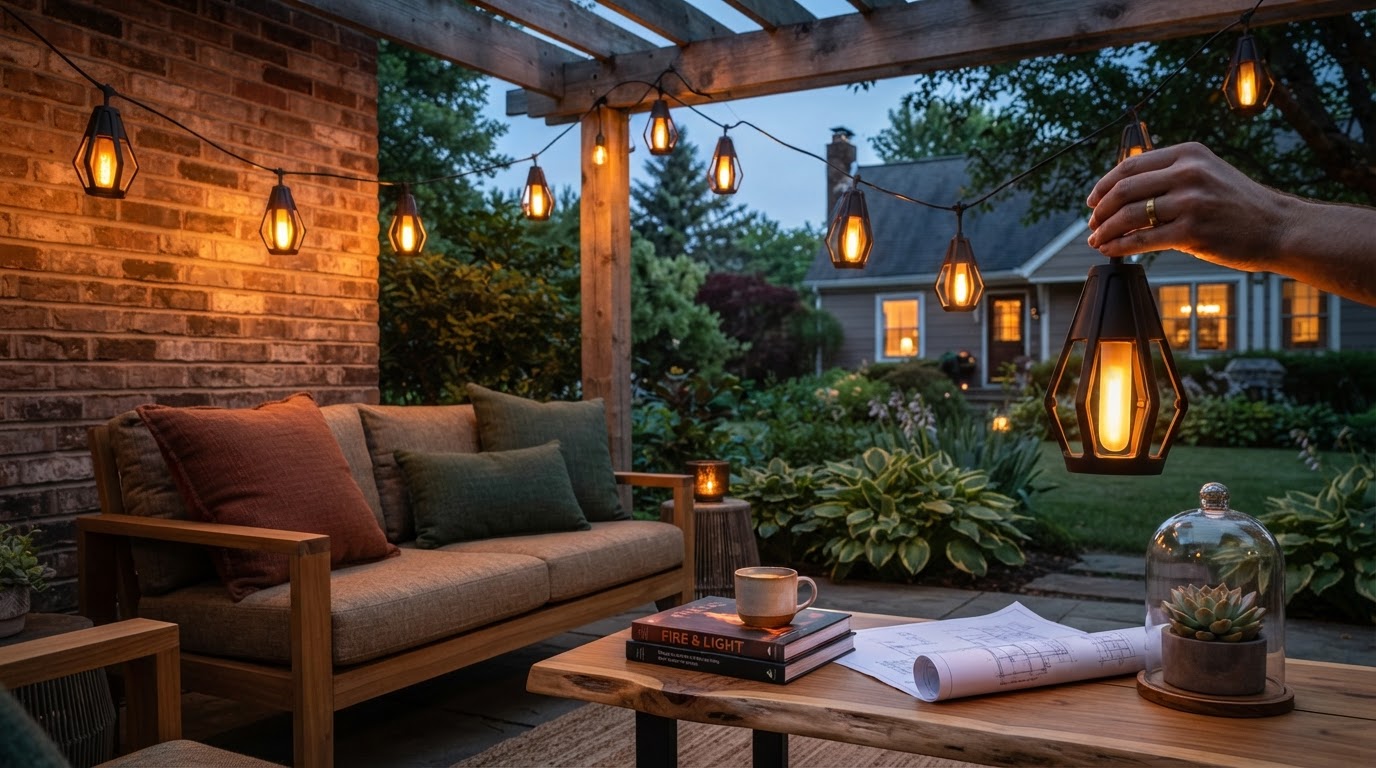
SolarFlame String Lights and the Visual Fidelity Framework
 Priya RamanSenior Analyst
October 15, 2026 — The rising demand for fire-safe illumination has positioned SolarFlame String Lights as a central solution in the move toward high-fidelity, realistic flame solar outdoor lights. As homeowners transition away from open-flame fuel sources, the industry has shifted its focus to the algorithmic mimicry of natural combustion.
To understand the efficacy of these systems, one must evaluate them through the Visual Fidelity Framework, a model that measures lighting quality across three primary dimensions: movement rhythm, color temperature, and luminance decay. True Lumens™ notes that high-quality flickering flame solar lights, such as their 96LED models, prioritize a warm ambiance that mimics the irregular patterns of a traditional tiki torch without the associated fire hazards. By applying this framework, we can differentiate between standard flickering LEDs and the sophisticated oscillation found in modern string systems.
The Three-Axis Fidelity Assessment
When evaluating SolarFlame String Lights, two axes matter here: the temporal axis of the flicker and the chromatic accuracy of the LED array. The temporal axis refers to the sequence of the light pulses; lower-end products often suffer from a repetitive, 'looping' pattern that the human eye quickly identifies as artificial. In contrast, SolarFlame String Lights utilize a randomized pulse sequence to ensure the movement feels organic. Think of it as a matrix of intensity and timing where no two seconds of light are identical. This creates a depth of field that allows the lights to blend into natural landscapes rather than standing out as electronic fixtures. This level of realism is what allows these units to effectively mimic flickering torch light in a way that static bulbs cannot.
Once you see it this way, the distinction between a simple garden light and a flame-simulating system becomes clear. The chromatic axis involves the specific Kelvin rating of the diodes. Traditional fire sits between 1,700K and 1,900K. SolarFlame String Lights are engineered to hit this specific warm spectrum, avoiding the harsh blue or white undertones common in standard solar products. This specific calibration is critical when integrating the lights into specialized environments, such as modern tropical backyards, where the golden hue complements lush foliage. Furthermore, the physical housing of the light plays a role in diffusion. Whether used in a hanging lantern setup or as a border, the casing must soften the LED hotspots to maintain the illusion of a soft, burning wick. The decision rule: if the light source remains visible as a sharp point rather than a glowing volume, the fidelity is insufficient for high-end landscaping. When compared to the utility of [traditional patio torches](/blog/solarflame-string-lights-vs-traditional-patio-torches), the solar alternative offers a consistent 8-10 hour runtime without the need for refilling canisters or managing soot.
Expert tip: To maximize the realistic effect, stagger the installation heights of your SolarFlame String Lights. Natural fire sources are rarely uniform in elevation; by varying the mounting points, you disrupt the horizon line and enhance the organic feel of the flickering shadows across your patio or garden.
Shop SolarFlame String Lights.
Sources
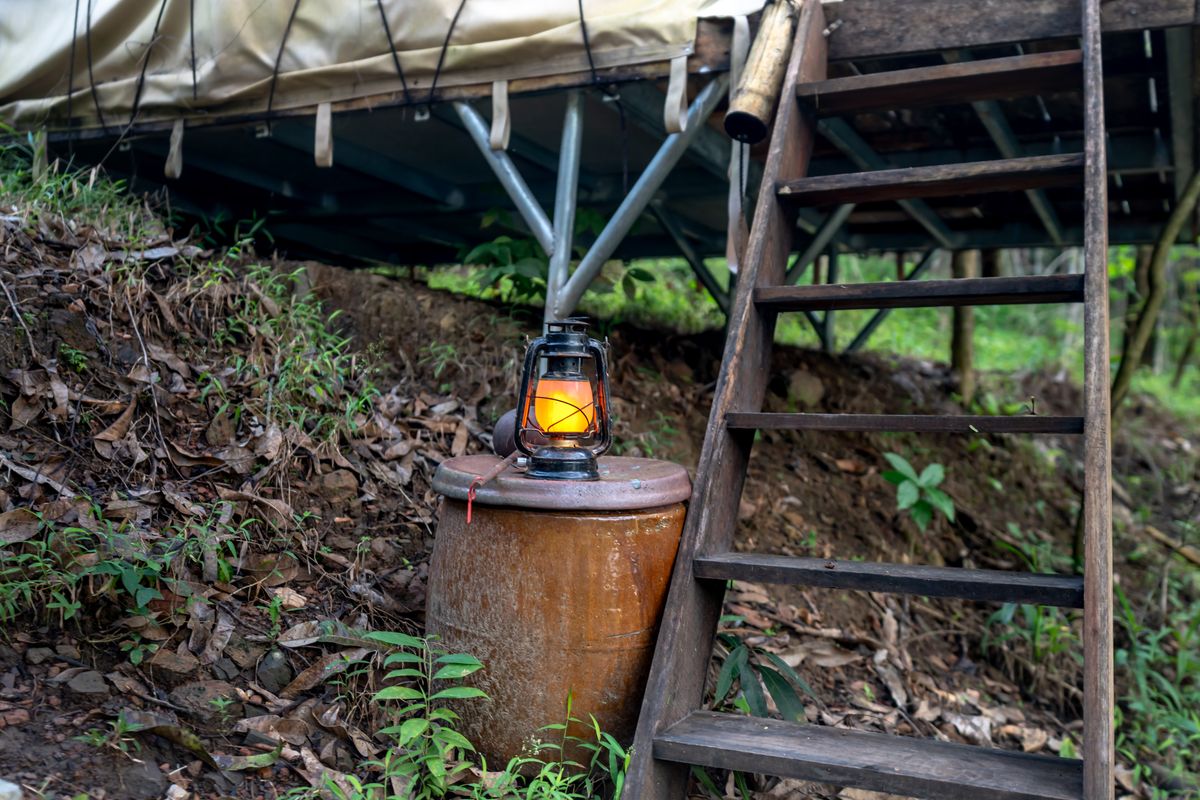
Photo by Quang Nguyen Vinh on Pexels
- SolaFlame® 96LED Flickering Flame Outdoor Solar Light | True Lumens™
- This Backyard Light Looks Like Real Fire (But It's Solar!) - YouTube
- Check out these realistic solar flame yard lights! They give off the look of ...