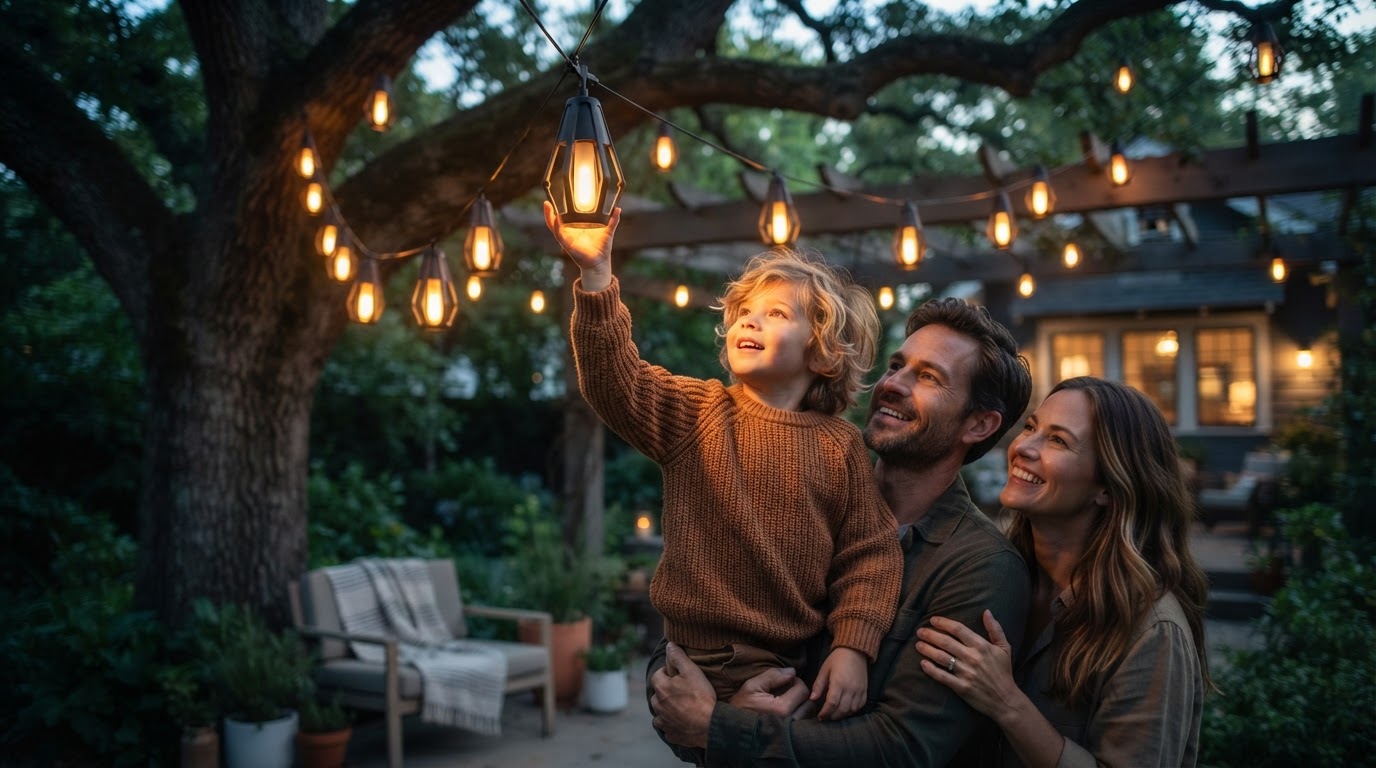
SolarFlame String Lights: The 5-Step Hanging Lantern Setup
 Sam VasquezBuying Guide Lead
October 12, 2026 — The shift toward dynamic, flickering outdoor lighting has accelerated this season, with SolarFlame String Lights leading the transition from static bulbs to realistic fire effects. As homeowners look to replicate the warmth of traditional gas lamps without the infrastructure costs, hanging lantern formats have become a preferred choice for perimeter fencing and pergola rafters.
While many homeowners simply drape lights over branches, proper installation ensures these fixtures survive high winds and provide maximum illumination. According to retail data from Wind & Weather, modern hanging solar lanterns often utilize integrated panels that require unobstructed vertical exposure to maintain a consistent discharge cycle throughout the night. I have found that the difference between a lantern that lasts four hours and one that lasts ten is almost entirely dependent on the angle of the mounting bracket relative to the afternoon sun.
The 5-Step Setup Framework
To get the most out of SolarFlame String Lights, I follow a specific sequence that prioritizes structural integrity and solar efficiency. First, identify your primary anchor points; for string-mounted lanterns, a guide wire is essential to prevent sagging under the weight of the LED housings. Second, map your sunlight exposure. Unlike solar torch fairy lights which can sometimes catch ambient light in semi-shaded areas, larger flame lanterns require direct overhead sun for at least six hours. Third, install tensioners. If you are using these for patio ambiance flame lighting, a loose line will cause the lanterns to knock against each other in the wind, potentially cracking the diffusers. Fourth, test the dusk-to-dawn sensors before final tightening. I always cover the sensors with a dark cloth during the day to ensure the flickering circuit triggers correctly. Finally, clean the solar cells with a microfiber cloth to remove any factory residue that might inhibit charging. Between the standard stake-mounted options and these hanging variants, I’d go with the hanging lanterns for any space where floor room is at a premium, such as narrow balconies or crowded decks. If you're on a budget, you might be tempted by plastic-cased alternatives found on Etsy, but these often lack the weatherproofing required for year-round exposure. Skip this if your yard is heavily wooded with a dense canopy, as the lanterns will never reach a full charge.
Expert tip: Use stainless steel zip ties instead of plastic ones to secure your SolarFlame String Lights to a guide wire. Plastic ties degrade under UV exposure within a single season, leading to fallen lanterns, whereas stainless steel ensures the realistic flame solar outdoor lights outdoor stay positioned exactly where you intended for years.
For those designing a thematic space, integrating these lanterns with SolarFlame String Lights for modern tropical backyards creates a layered lighting effect that mimics high-end resort aesthetics. This approach provides depth by combining overhead hanging elements with ground-level flickering torches.
Shop SolarFlame String Lights.