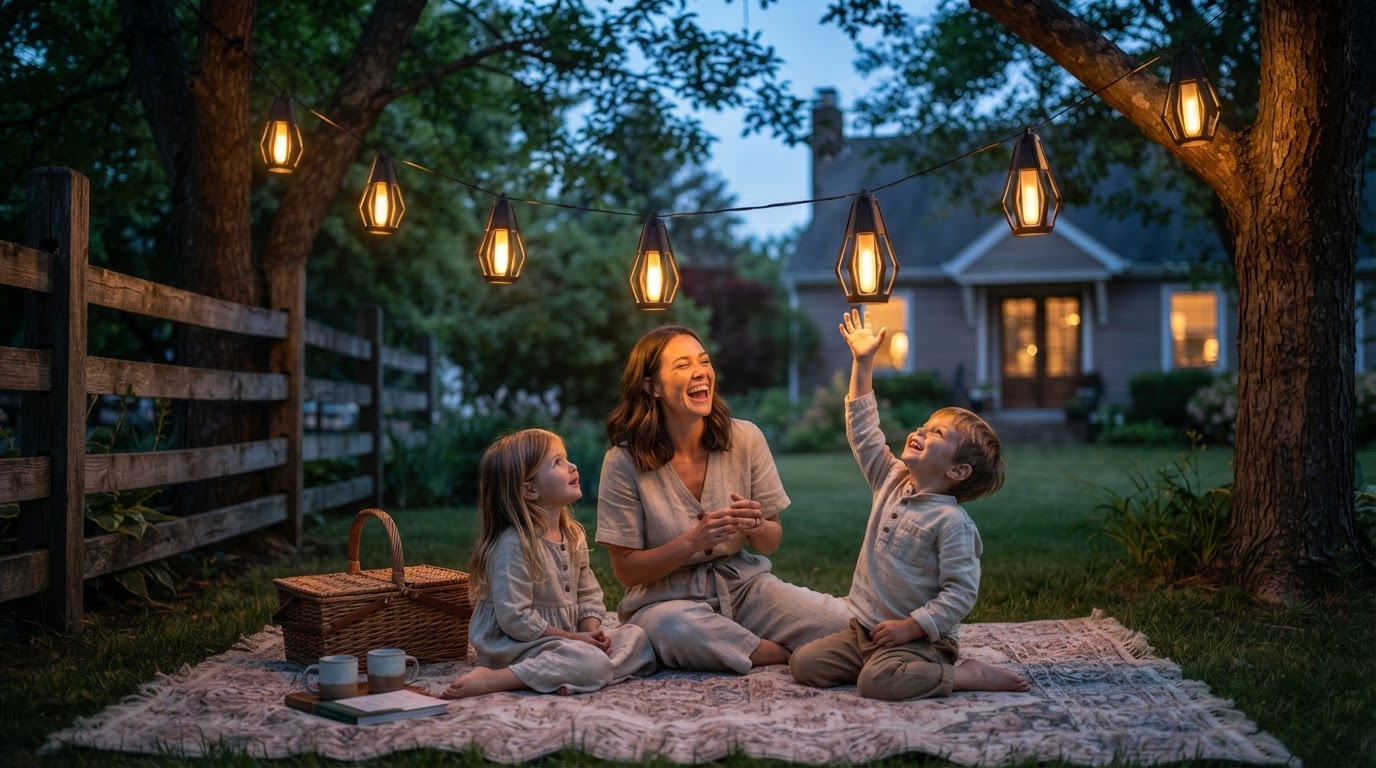
SolarFlame String Lights Deployment Framework
 Priya RamanSenior Analyst
September 15, 2026 — Recent shifts in residential landscape design show an increased reliance on high-efficiency solar outdoor string lights, specifically the SolarFlame String Lights collection, to balance energy independence with visual warmth. As property owners move away from complex hardwired systems, the demand for reliable, self-contained illumination has reached a new peak.
The adoption of solar technology in decorative lighting is no longer just about convenience; it is about performance sustainability. According to data reported by the International Dark-Sky Association, proper shielding and color temperature management in outdoor lighting are essential for reducing light pollution while maintaining safety. SolarFlame String Lights address these modern requirements by utilizing specific Kelvin ratings that mimic traditional flame warmth without the carbon footprint or electrical overhead of legacy incandescent bulbs.
The Three-Axis Deployment Model
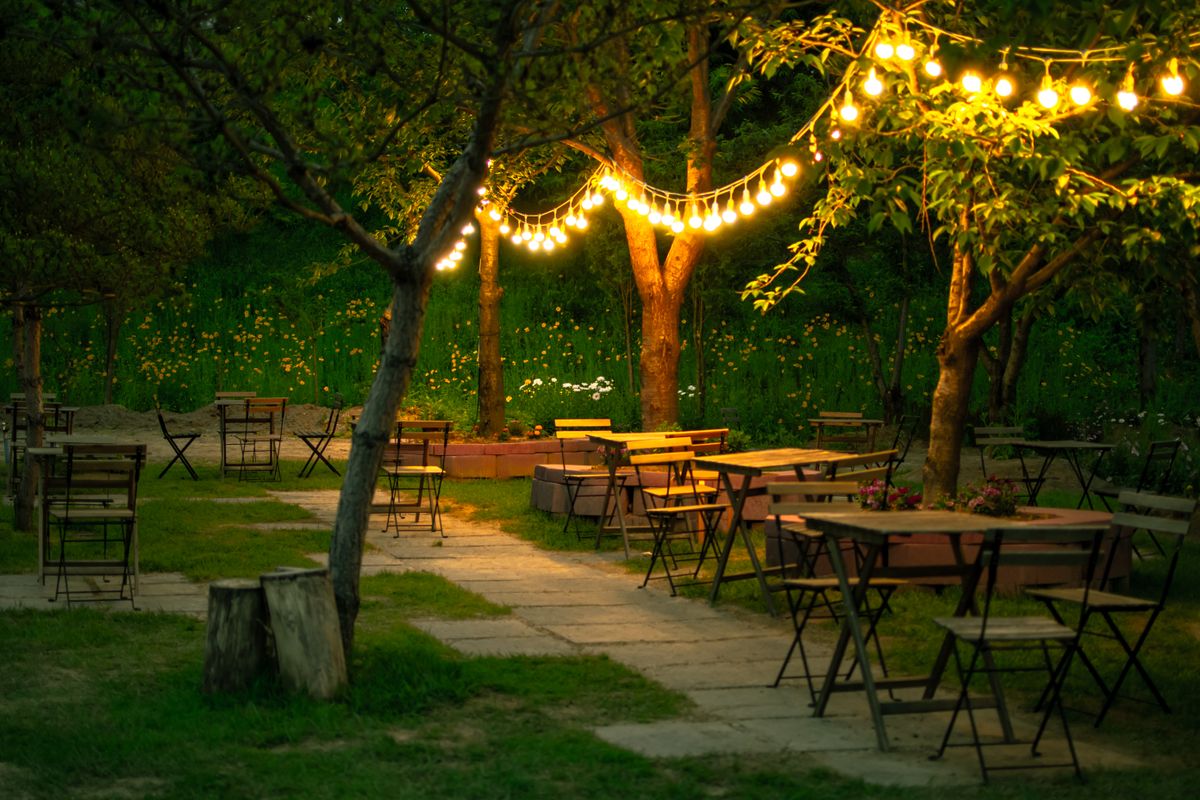
Photo by Constantine Kim on Pexels
To maximize the utility of solar outdoor string lights, one must evaluate the installation through a three-axis model: solar exposure, structural tension, and moisture exposure. Think of it as a matrix of environmental variables where the placement of the photovoltaic panel determines the energy ceiling, while the physical mounting dictates the lifespan of the strand. SolarFlame String Lights are engineered with high-conversion monocrystalline silicon panels, which require approximately 6 to 8 hours of direct sunlight to achieve a full discharge cycle of 10 to 12 hours. When assessing the installation site, the decision rule is simple: the panel must be positioned at a 45-degree angle facing south to capture peak irradiance, regardless of where the actual light strand is draped. This separation of the power source from the emitters allows for placement in shaded areas like pergolas or dense garden beds, provided the tethered panel remains in the clear. The build quality involves heavy-duty internal wiring and shatterproof LED housings, ensuring the system maintains a consistent lumen output even when subjected to wind-induced friction against structures. For those considering larger installations, it is vital to understand how these units function as [commercial grade solar string lights](/blog/commercial-grade-solar-string-lights-analysis) in high-traffic environments. Similarly, when integrating these systems into architectural features, utilizing [heavy duty solar string lights for pergola](/blog/heavy-duty-solar-string-lights-for-pergola) configurations ensures that the tension loads do not compromise the internal circuitry. Proper installation also requires verifying the seal integrity, particularly for [weatherproof solar fairy lights outdoor](/blog/weatherproof-solar-fairy-lights-outdoor) setups that face horizontal rain. Ultimately, confirming that you are using [waterproof garden flame lights](/blog/waterproof-garden-flame-lights-durability) ensures that ground-level moisture or irrigation overspray does not lead to premature diode failure.
Expert tip: To extend the battery lifecycle of your SolarFlame String Lights, wipe the solar panel surface with a microfiber cloth every thirty days to prevent dust accumulation from reducing the photovoltaic conversion rate by up to 20%.
Once you see it this way, the transition from temporary seasonal lighting to a permanent outdoor fixture becomes a matter of simple geometry and environmental planning.
Shop SolarFlame String Lights.