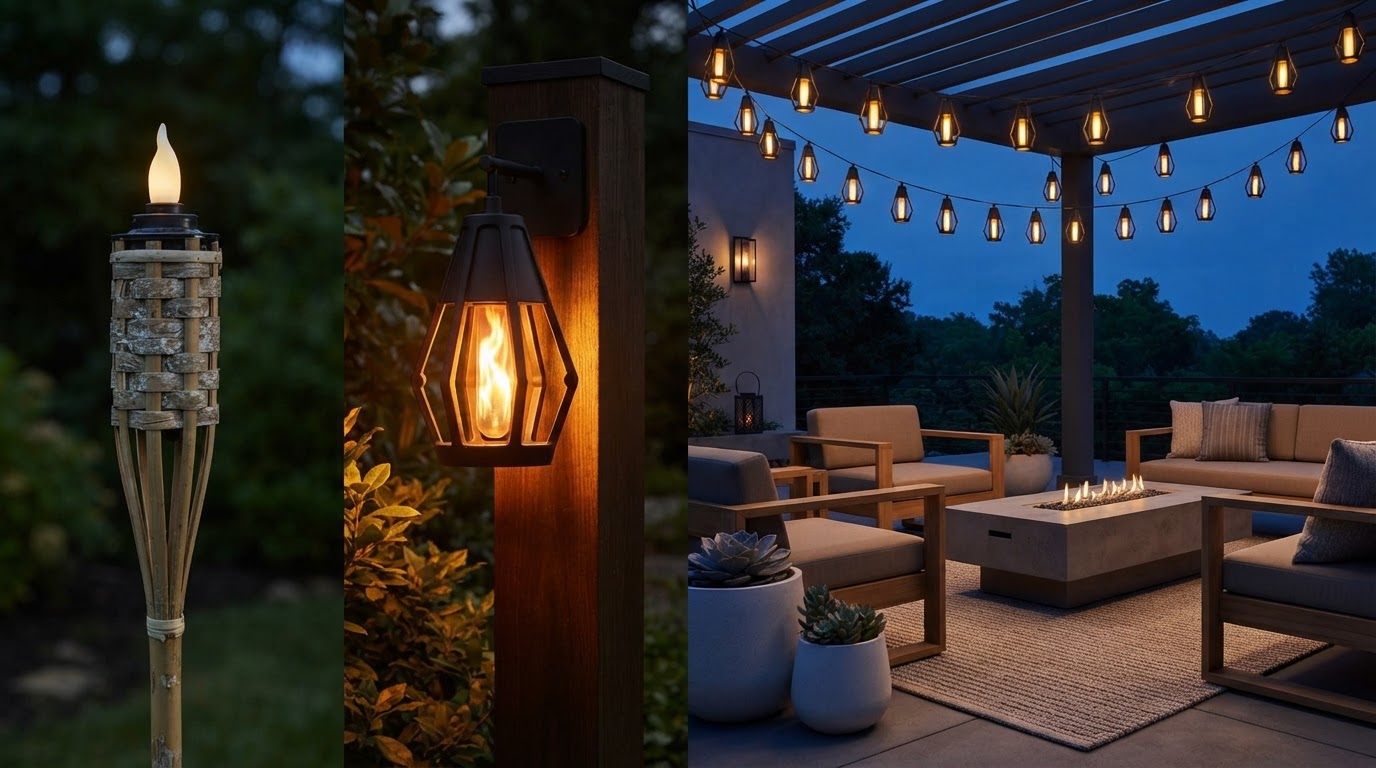
SolarFlame String Lights as Modern Tiki Torch Replacements
 Maya ChenContributing Editor
August 7, 2026. This analysis evaluates the shift from traditional bamboo-style solar powered tiki torches toward integrated flame-effect systems for residential landscapes. It is written for property owners prioritizing long-term durability and realistic thermal aesthetics over disposable seasonal lighting.
The Failure of Disposable Solar Lighting
The conventional wisdom says that solar powered tiki torches are an easy, set-it-and-forget-it solution for backyard ambiance. However, the market is saturated with low-cost units that fail to meet basic performance standards for consistent illumination. According to Techko Group, their professional-grade Solar Tiki Torches (2-Pack) are priced at $89.99, a figure that reflects the actual cost of components required to achieve a 12-hour runtime. This stands in stark contrast to the flood of budget alternatives that lose charge before midnight. Here's the part nobody talks about: the vast majority of consumer-grade solar torches rely on small 1200mah Ni-MH batteries, such as those found in the Bamboo Solar Tiki Torches listed by Natures Solar Lights. While these units offer 7 LED color choices, the energy density of Ni-MH chemistry is significantly lower than modern lithium-ion alternatives, leading to rapid degradation in outdoor environments. When homeowners look for a safe fire alternative for porch decor, they often settle for these plastic stakes, ignoring the reality that a 5-piece set, like the one offered by Breck and Fox, must distribute limited solar collection surface area across multiple units. This dilution of power often results in a dim, strobe-like flicker rather than a true dancing flame. Furthermore, the reliance on ground-staked designs limits the utility of the light to the perimeter of a lawn, failing to provide the overhead coverage necessary for functional dining or seating areas. For those seeking hanging solar torches with flickering flame effects, the physics of a small, top-mounted solar panel often cannot support the power draw required for a high-lumen, realistic output throughout a full night cycle.
Engineering Superior Flame Realism with SolarFlame
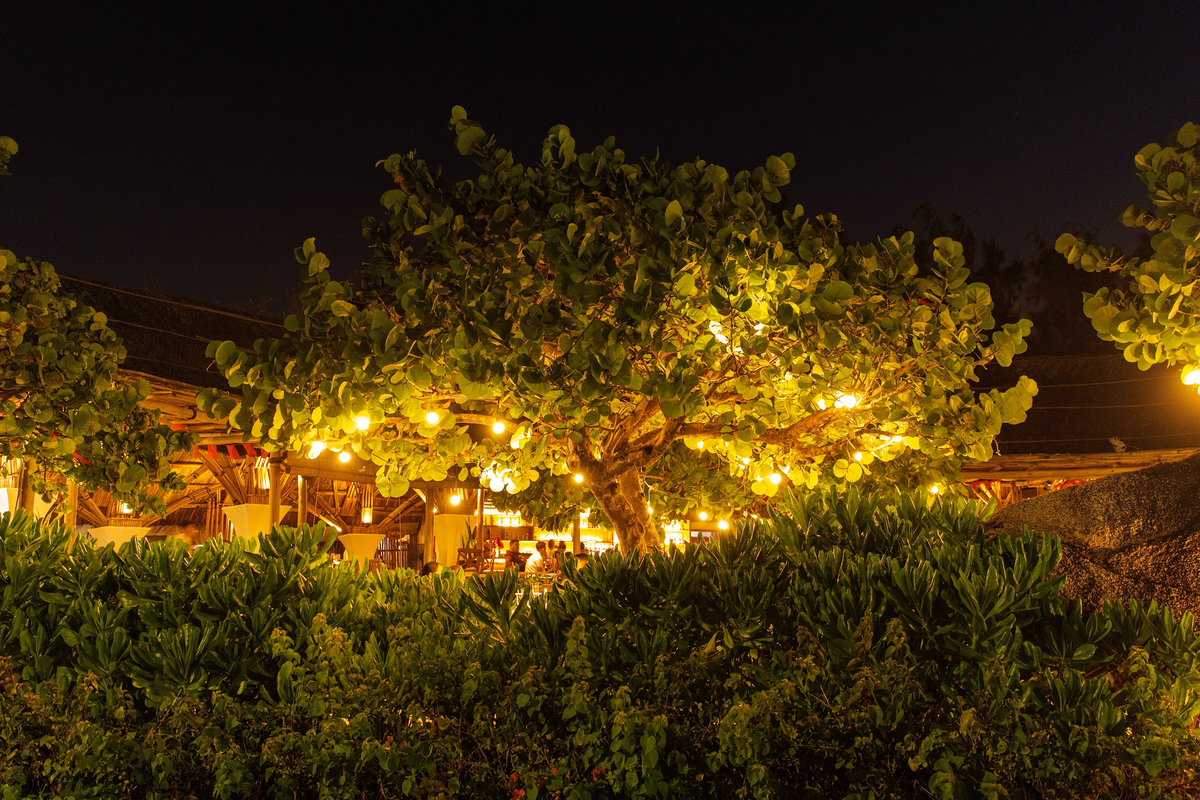
Photo by quang vinh on Pexels
SolarFlame String Lights address the fundamental flaws of standalone torches by decoupling the solar collection point from the light source. While a standard solar torch is limited by the surface area of its own cap, SolarFlame systems utilize high-efficiency monocrystalline panels that can be positioned in optimal sunlight, regardless of where the bulbs are placed. This allows for a consistent power supply to the internal circuitry responsible for the "dancing flame" algorithm. The realistic flame effect solar lights that consumers frequently search for require a specific frequency of LED oscillation to mimic the chaotic nature of combustion. Most budget torches use a simple three-step loop that the human eye quickly identifies as artificial. SolarFlame String Lights utilize a randomized pulse-width modulation (PWM) to ensure no two bulbs flicker in perfect synchronization, creating a more organic atmosphere. This technical distinction is critical when comparing them to dancing flame solar torch lights which often struggle with synchronization issues across a large yard. Run the math: a single SolarFlame strand provides more lumens per watt than a dozen cheap stakes because it minimizes resistance through high-gauge wiring rather than relying on individual, underpowered solar cells in each unit. This architectural difference is why SolarFlame can maintain a consistent 2700K color temperature—the specific warm glow associated with real fire—without the blue-tinted harshness often found in mass-market LED torches. By moving away from the stake-in-the-ground model, these lights offer versatility for pergolas, fences, and covered patios, areas where traditional torches simply cannot function safely or effectively.
Evaluating Your Outdoor Lighting Infrastructure
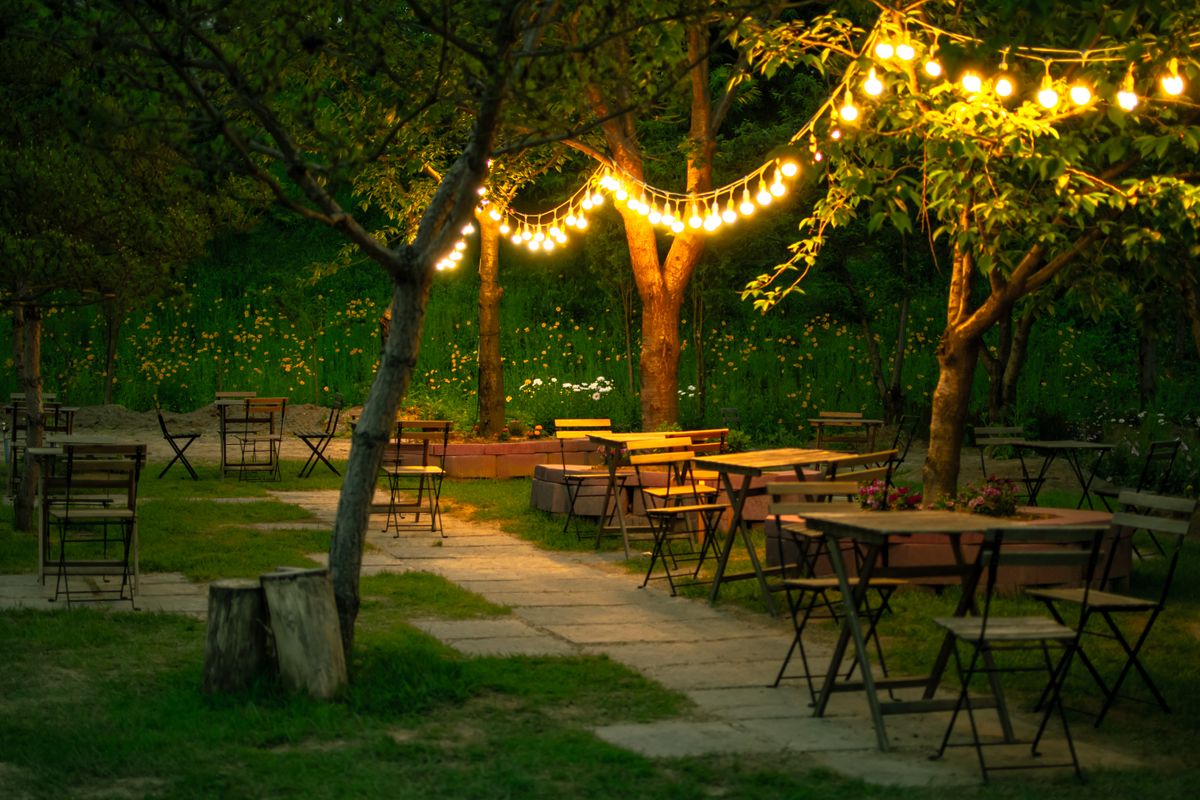
Photo by Constantine Kim on Pexels
Choosing between a traditional solar powered tiki torch and a comprehensive string light system requires a shift in how one views landscape investments. The consumer consensus often favors the lowest entry price, but the replacement cycle for low-end solar products creates more waste than value. According to the Top 5 Best Solar Tiki Torches reviews 2025 by various tech reviewers, build quality remains the primary point of failure, with water ingress being the leading cause of circuit death. When auditing your space, you must consider the structural limitations of your environment. A ground-heavy setup may work for a temporary garden path, but it fails to provide the layered lighting needed for true architectural depth. If you are currently researching decorative garden lanterns solar powered options, you are likely looking for a way to elevate the space vertically. I’ll change my mind when a standalone stake-mounted torch can demonstrate a three-year lifespan with zero lumen depreciation; until then, the integrated string light remains the only logical choice for permanent installations. Before purchasing, use this framework to evaluate your needs:
- Total Sun Exposure: Does the installation site receive at least 6 hours of direct UV, or do you need a remote panel?
- Mounting Versatility: Can the light source be moved from a stake to a hook or a wrap-around mount?
- Battery Chemistry: Does the unit use LiFePO4 or Lithium-ion, or is it stuck with dated Ni-MH technology?
- Waterproofing Rating: Is the unit rated at least IP65 to withstand pressurized jets and heavy rain?
- Flame Algorithm: Is the flicker pattern randomized, or is it a predictable, repeating sequence?